

Why Shoot Film?
/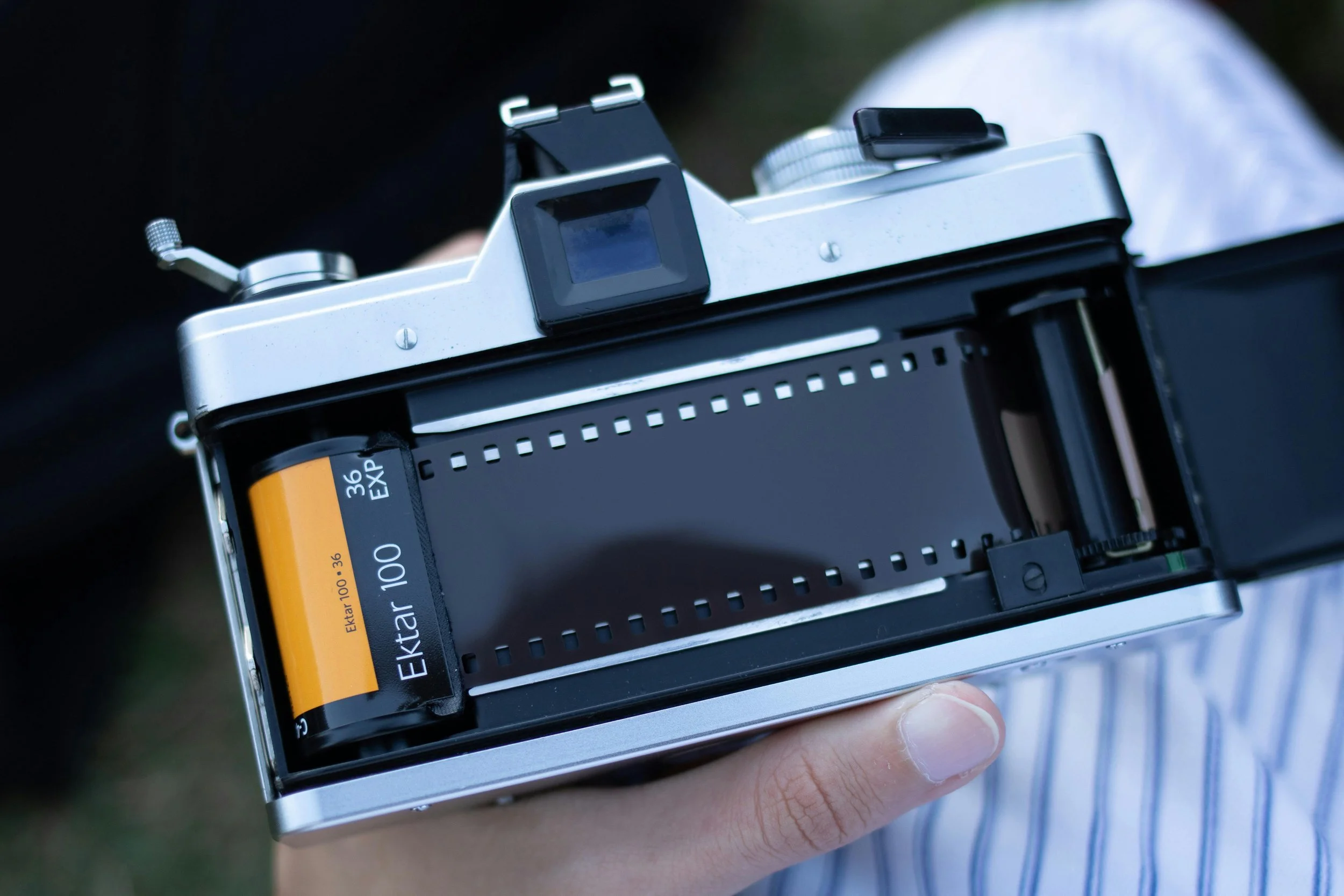
We have seen and continue to see a resurgence in the use of cameras that record images on film. It costs more per image, requires development to see the negative, which must then be scanned and converted to be edited. It’s a lot more time and work, so why is film growing?
I recently had a member of my photography club do a presentation on shooting with film. While I don’t think that every club member will go out tomorrow and engage in film photography, the level of interest was very high and the interaction with Simon, our presenter, was excellent.
Simon made a couple of what I think are truly salient points. The first is that images made on film look different from digital images. It’s my contention that this difference is missed a lot of the time, and in my opinion, he is absolutely correct.
Our digital sensors have incredible resolution. This gets magnified by the editing tendency to oversharpen and the overly aggressive use of noise reduction. While the images look just fine in the digital realm, when compared to film they are definitely crisper. If you prefer that, good on you, but there is a feel that you get from the slightly softer images shot on film as well as the contribution that grain makes to the image. While digital noise and grain are not the same thing in any way, digital fans still refer to noise as grain. So it goes.
While noise may increase with ISO, it follows a different curve than ISO does in film. Generally, a fast film is ISO 400 and if you push it to a higher ISO, it changes the development and rapidly increases the amount of grain. When we shot film, we pushed it because it was necessary to be able to get the image. I have the ability with my digital camera to make images, that I could not make with film and value that greatly, but those images are the exception, not the norm.
Film in addition to the nominal softening and the mood contribution of grain also has its own character. While no longer available, Kodachrome 25 and Kodachrome 64 look very different. This is also true of two ISO 400 black and white films, specifically Ilford HP5 and Kodak Tri-X. The look of a film was a consideration for many film photographers. And like we find with digital, there were vendor camps that eschewed and denounced anything other than their faves. Tribalism is a normal thing in most humans, regardless of its value.
When I was a film photographer, for colour I shot mostly transparency film, aka slides. For black and white, it was all negative film. However I would choose at the time Kodak Vericolor III Professional (and its predecessor) for weddings and portraits specifically because of its look.
There are film emulation software options for digital photographers and even the best that I have found still look like digital with some kind of processing. As of now, I do not see digital processing achieving the look and feel of film.
Does this mean that all photographers need to rush out and embrace film, perhaps again? Of course not. However it benefits us all to see the strengths and yes the challenges of film and accept it as a means to your creative goals.
Until next time, I wish you good health and prosperity.


